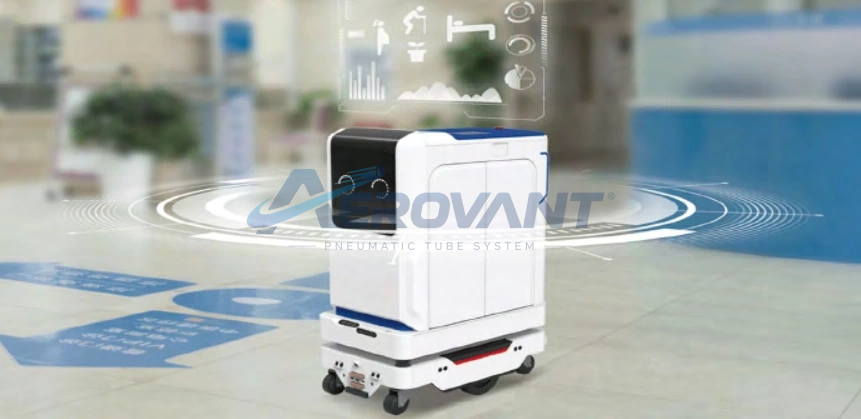

 ID
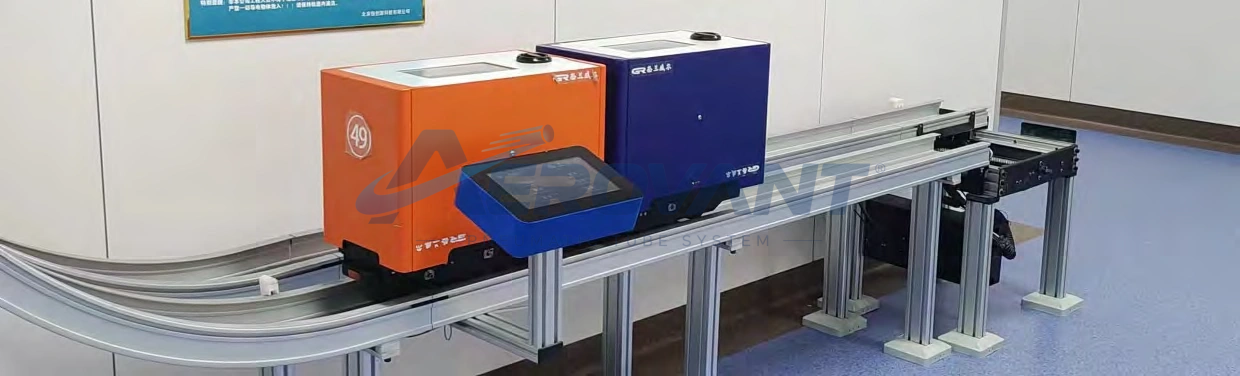
Access security
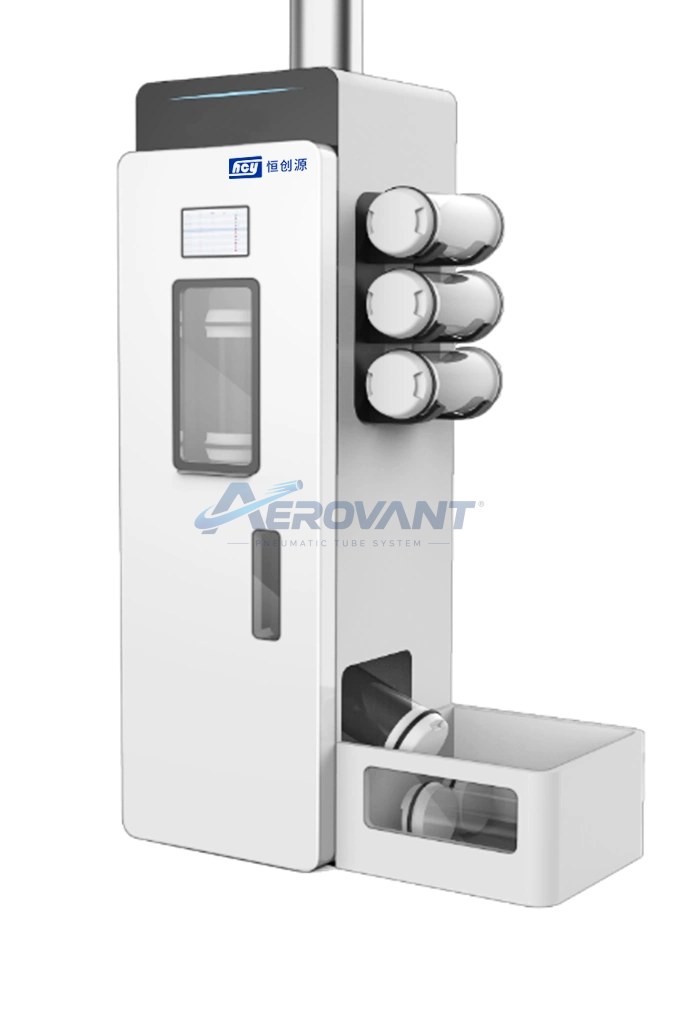
Carts have electronic locks. A password is used to open a cart after it reaches the receiving station; the lid locks automatically during transit.
Directed distribution along a rail network.
The rail transport system connects sending and receiving stations using transport carts on a rail network. A microcomputer controls each cart, with infrared optical communication enabling delivery from origin to destination.
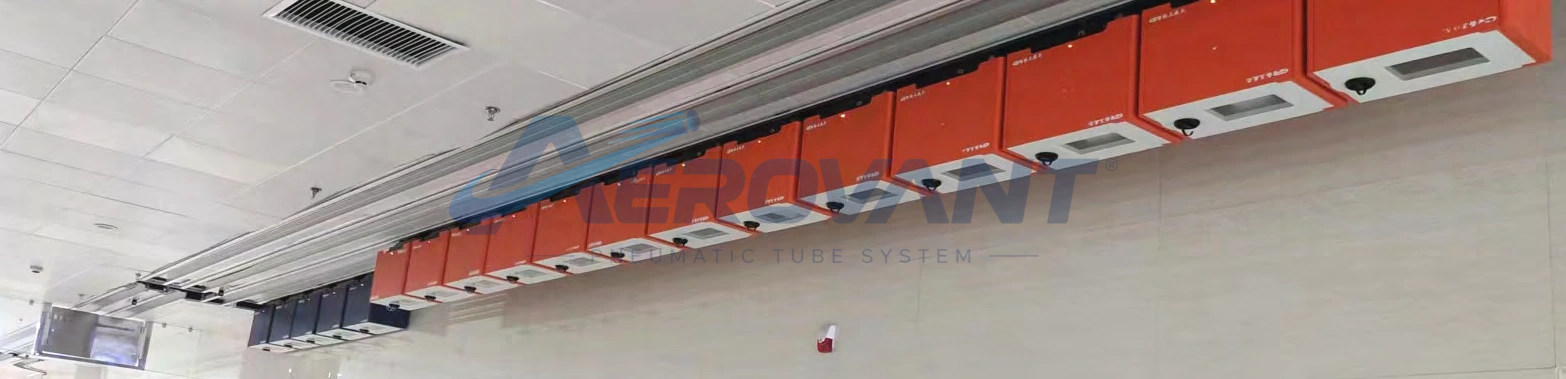
Solution overview
The operator loads materials into a cart and selects a destination address code on the LCD. The cart completes the delivery independently. The catalogue states that each cart operates independently of the others.
The network design includes horizontal and vertical routes linking inpatient buildings, outpatient areas, pharmacies, laboratories, archive rooms, and other departments. The catalogue illustrates possible routes between floors and buildings.
Features & benefits
Carts have electronic locks. A password is used to open a cart after it reaches the receiving station; the lid locks automatically during transit.
The self-locking motor design is described as keeping a cart stationary during a sudden loss of power.
Central, branch, station, rail switching, and infrared devices coordinate journeys. Route planning and real-time status help with scheduling.
Shipment content recognition is optional. Senders can enter material information or scan codes and save the details in a delivery log.
The catalogue lists internal UV disinfection, collision avoidance, and automatic braking when obstacles are detected.
How it works
Place the load inside the cart and close its compartment.
Choose a destination code on the station interface. Frequently used destinations can be saved.
The system manages routing and rail switching. The cart travels horizontally or vertically.
The recipient enters a password to open the cart. Delivery information is available through the control system.
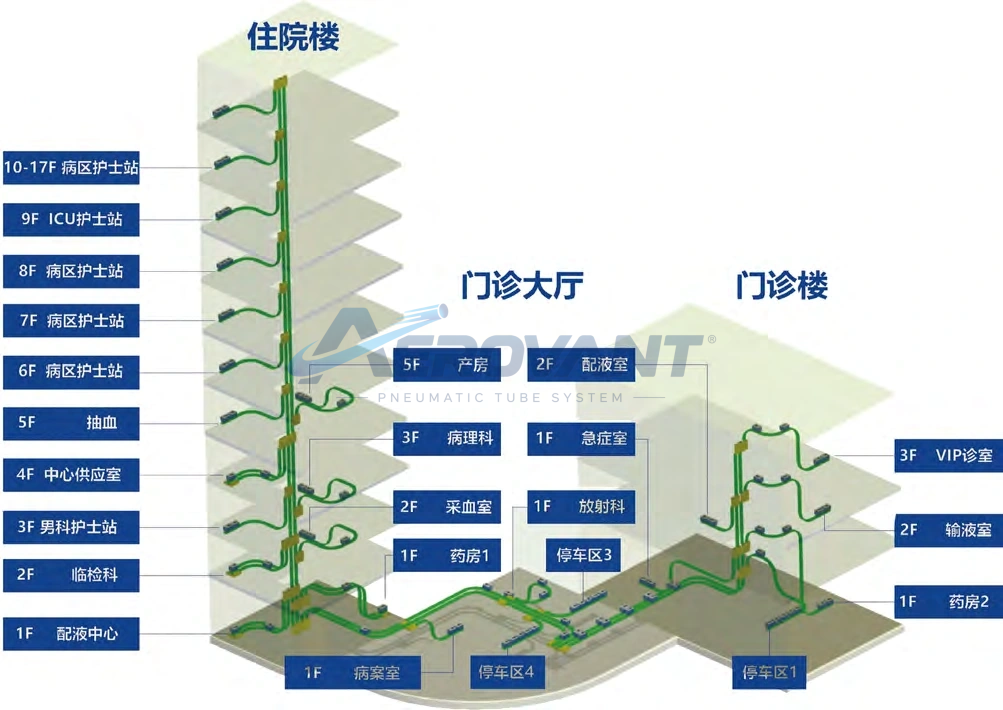 Enlarge ↗
Diagram of horizontal and vertical routes connecting care areas.
System components
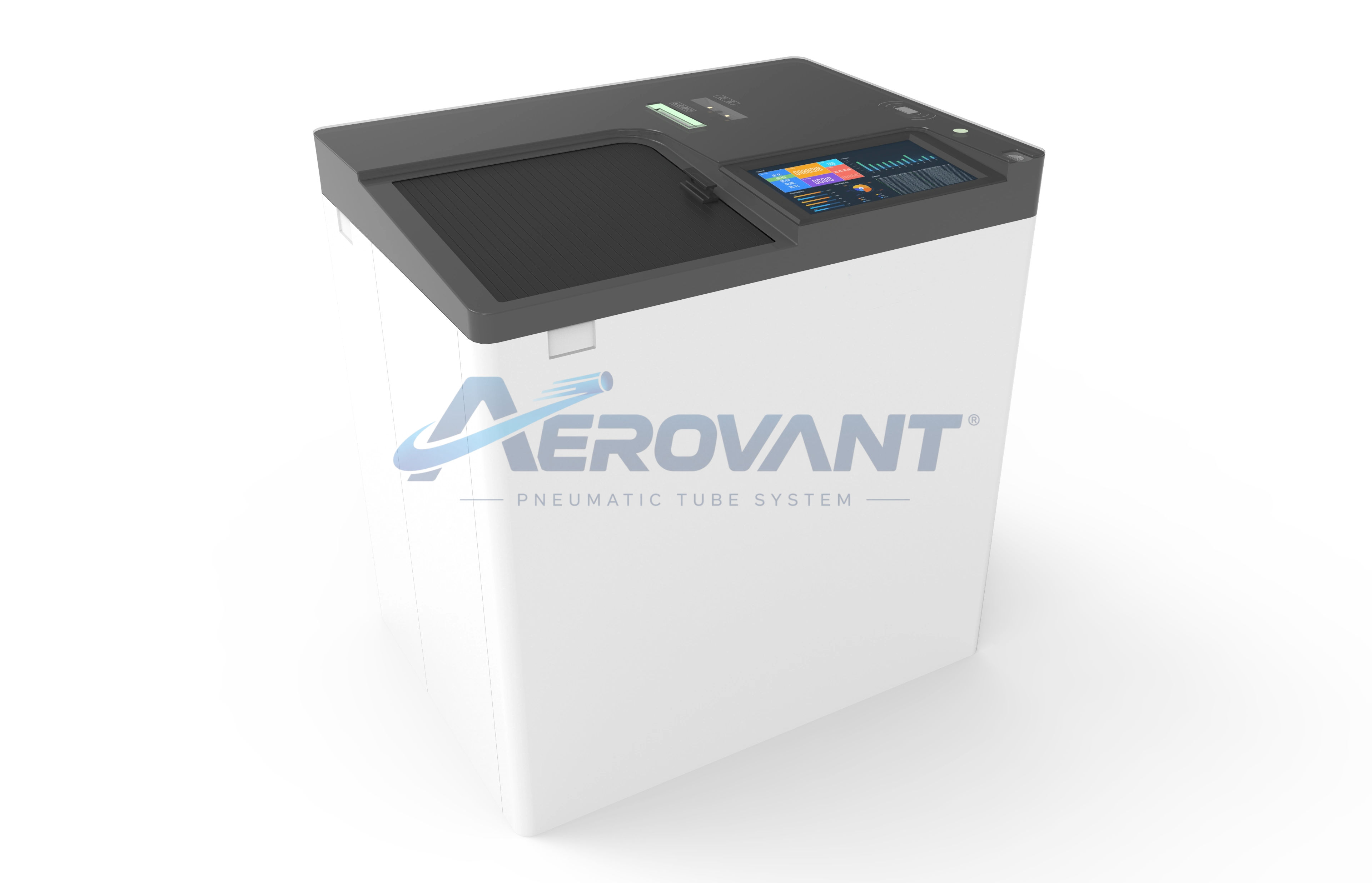
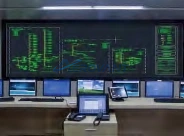
Based on an ATMEL microcomputer environment, with route planning, real-time operating status, statistics, data analysis, and fault alerts.
 Enlarge ↗
View of the rail network monitoring equipment.
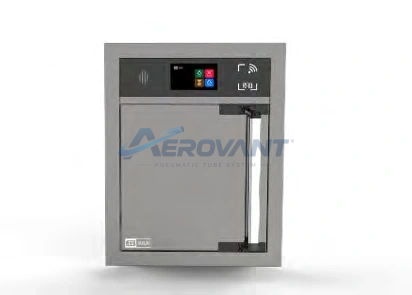
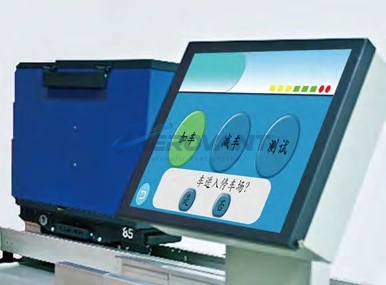
Password-protected interface, colour touchscreen, destination matching, and saved favourite stations. Disinfection can be scheduled automatically or initiated manually, depending on configuration.
 Enlarge ↗
Station interface for settings and delivery destination selection.
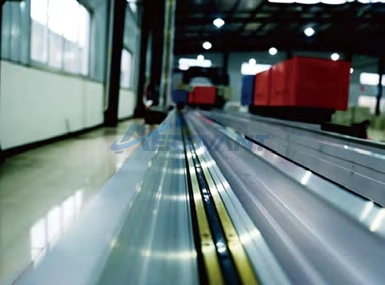
The network description includes wear-resistant anodised aluminium-magnesium rails, lead-free copper conductors, a dedicated control rail, and standardised communication protocols.
 Enlarge ↗
Detailed photograph of the track used by logistics carts.
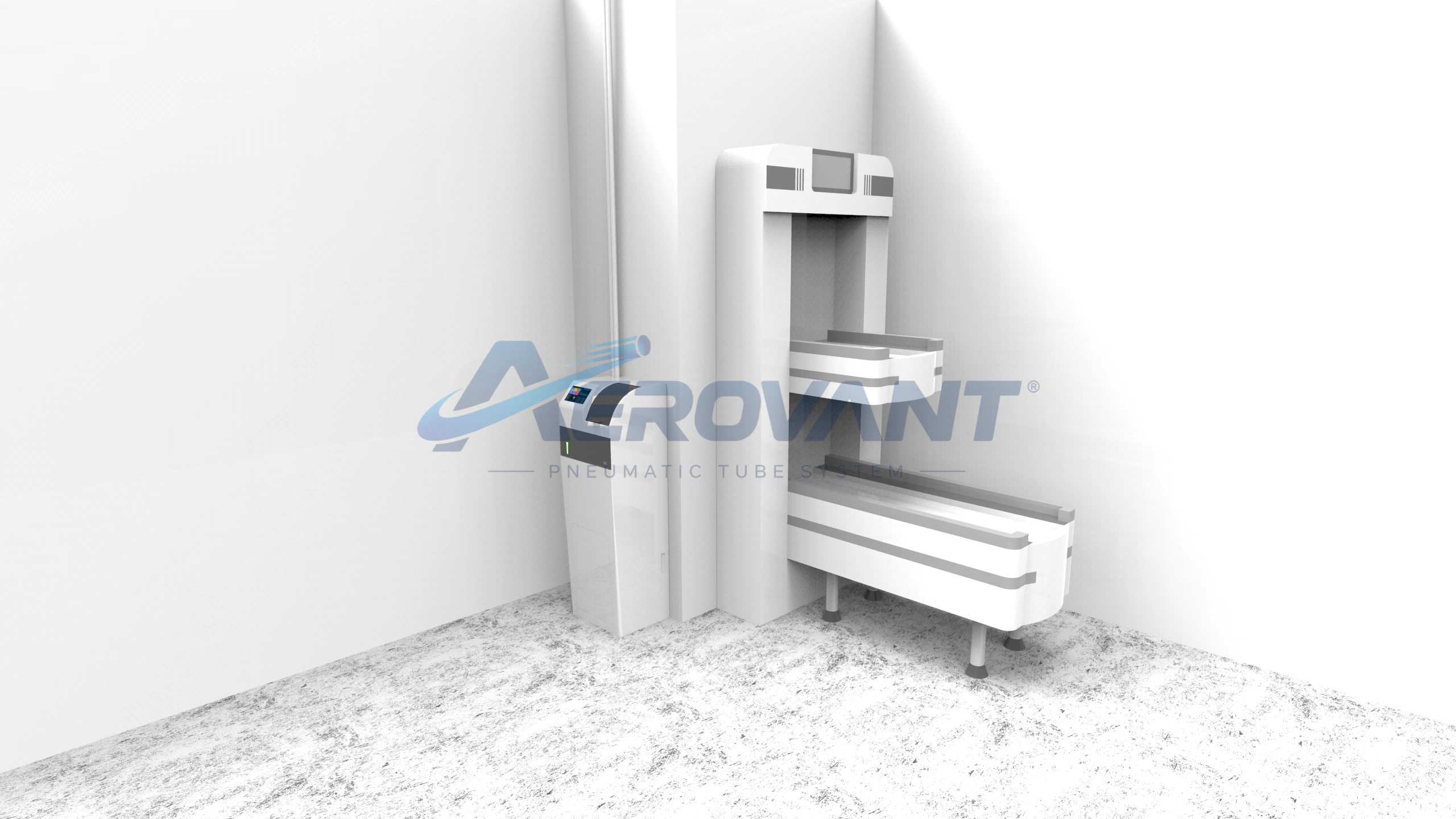
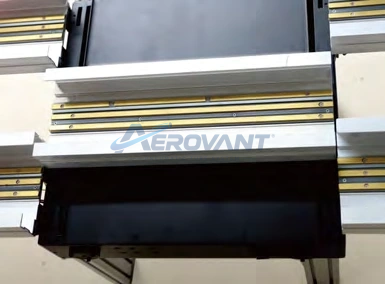
An independent stepper motor drives smooth transitions. Pre-transition technology supports route switching readiness.
 Enlarge ↗
Transition equipment for selecting a cart's route.
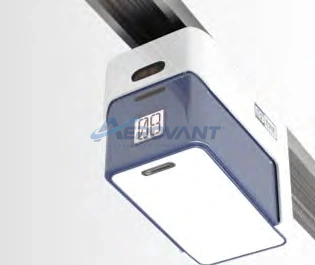
The catalogue lists an effective volume of 30 litres, capacity above 20 kg, three speed settings, automatic locking, internal UV, and braking when obstacles are encountered.
 Enlarge ↗
A transport compartment that travels along the rails.
Specifications & configuration
The following technical parameters provide an initial guide. Final configuration depends on facility requirements and site conditions.
| Parameter | Details |
|---|---|
| Cart load capacity | >20 kg according to the catalogue |
| Effective volume | 30 litres; box type and size can be customised |
| Horizontal speed | 0.8 m/s |
| Vertical speed | 0.5 m/s |
| Speed settings | Three settings |
| Communication | Infrared optics and a control network |
| Safety features | Electronic lock, self-locking motor, obstacle braking |
| Optional features | Shipment content recognition and recording |
Figures are catalogue descriptions, not guarantees of project capacity. Rails, carts, locking, disinfection, and optional features follow the agreed configuration.
Applications
Application areas can be selected to suit the facility's internal transport requirements.
Product photographs and diagrams are based on the manufacturer's technical materials.
The Aerovant Ecosystem
Let's get connected
Start by identifying your facility's internal transport requirements.