
 ID
Centralised collection
Materials travel through pipes to waste containers or linen handling areas. This can reduce the need for manual collection movements inside the building.
Centralised collection through an enclosed network.
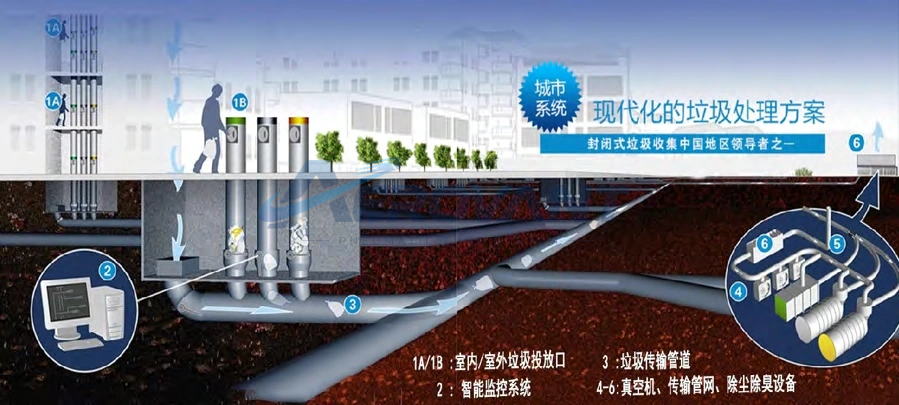
The linen and waste transport system uses pipes, gravity, and air suction to move materials from inlet portals to collection areas. Soiled linen is directed to the laundry, while waste is delivered to the appropriate collection container.
Solution overview
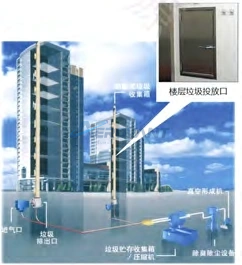
Inlet portals are positioned at planned locations in the building. A computer controls the discharge valves, while fans generate partial negative pressure to move materials through the pipe network to the collection station.
The catalogue also describes a hybrid configuration: materials descend through vertical gravity chutes, then move horizontally through pneumatic pipes. The vertical and horizontal sections can also operate independently, depending on the design.
Enlarge ↗Illustration of a collection system within a building environment.
Features & benefits
Materials travel through pipes to waste containers or linen handling areas. This can reduce the need for manual collection movements inside the building.
The pipe network provides a dedicated route for materials. The catalogue states that transport is not affected by surface traffic conditions.
A computer controls valve operation and emptying cycles. Temporary storage within the chute enables scheduled material discharge.
Air from the transport process passes through dust removal, filtration, and deodorisation before being discharged outdoors.
The system concept aims to reduce the number of storage points inside the building. High-efficiency fans and frequency control are described as part of energy management.
How it works
Permitted materials are placed into the appropriate inlet according to facility procedures and assigned routes.
The computer controls the valves. In gravity configurations, materials accumulate in the vertical chute before release.
Fans create suction to move materials through horizontal pipes to the collection station.
Waste enters containers and linen reaches the laundry area according to the design. Air is treated before discharge.
 Enlarge ↗
Diagram connecting inlet portals, the pipe network, and the collection station.
System components
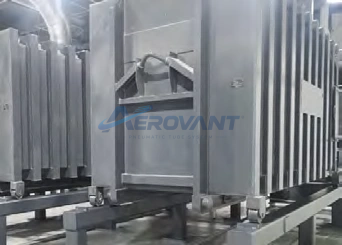
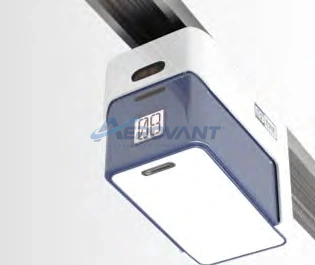
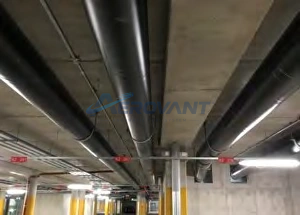
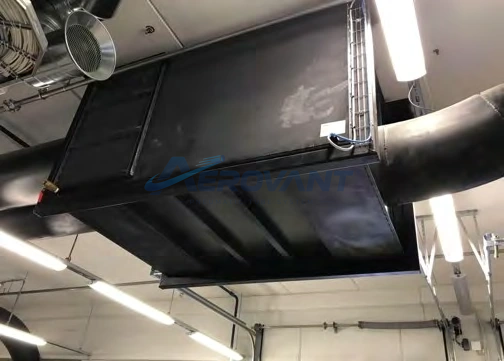
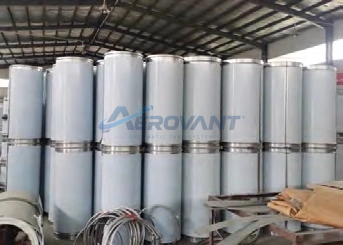
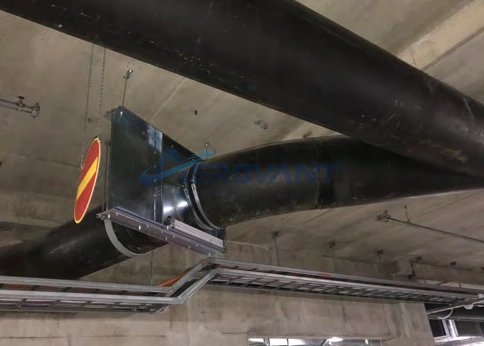
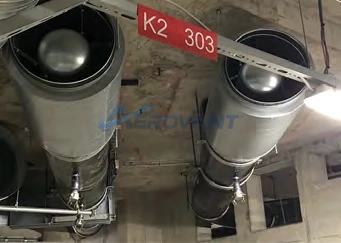
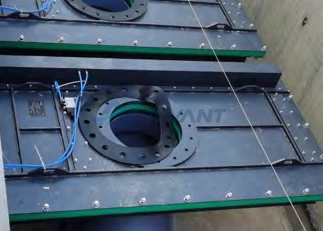
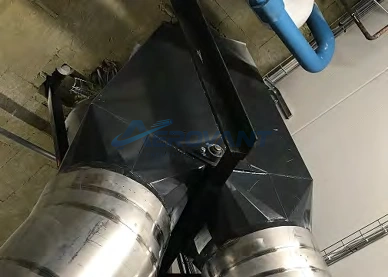
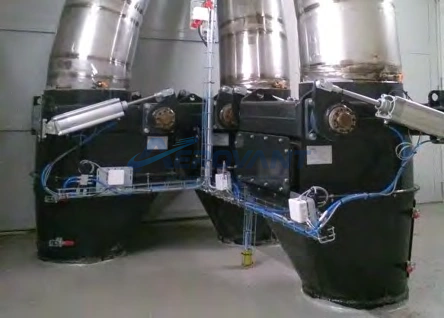
Vertical and horizontal pipes, connections, and discharge valves form the transport route. The catalogue shows several installation and connection configurations.
 Enlarge ↗
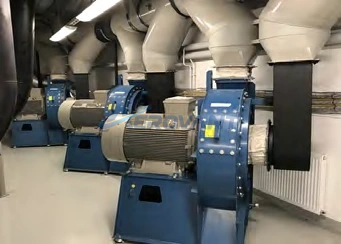
Detailed installation photograph of pipes and connecting equipment in the collection system.
 Enlarge ↗
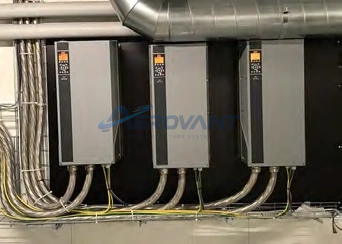
Detailed installation photograph of pipes and connecting equipment in the collection system.
 Enlarge ↗
Detailed installation photograph of pipes and connecting equipment in the collection system.
 Enlarge ↗
Detailed installation photograph of pipes and connecting equipment in the collection system.
 Enlarge ↗
Detailed installation photograph of pipes and connecting equipment in the collection system.
 Enlarge ↗
Detailed installation photograph of pipes and connecting equipment in the collection system.
 Enlarge ↗
Detailed installation photograph of pipes and connecting equipment in the collection system.
 Enlarge ↗
Detailed installation photograph of pipes and connecting equipment in the collection system.
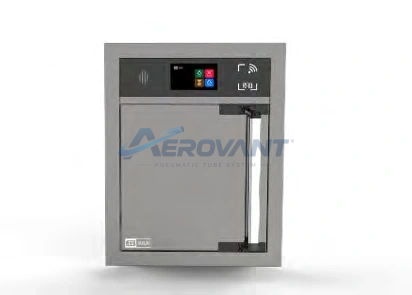
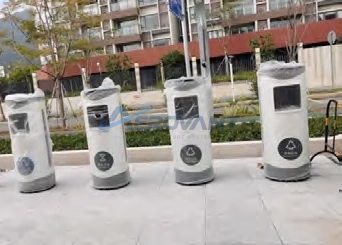
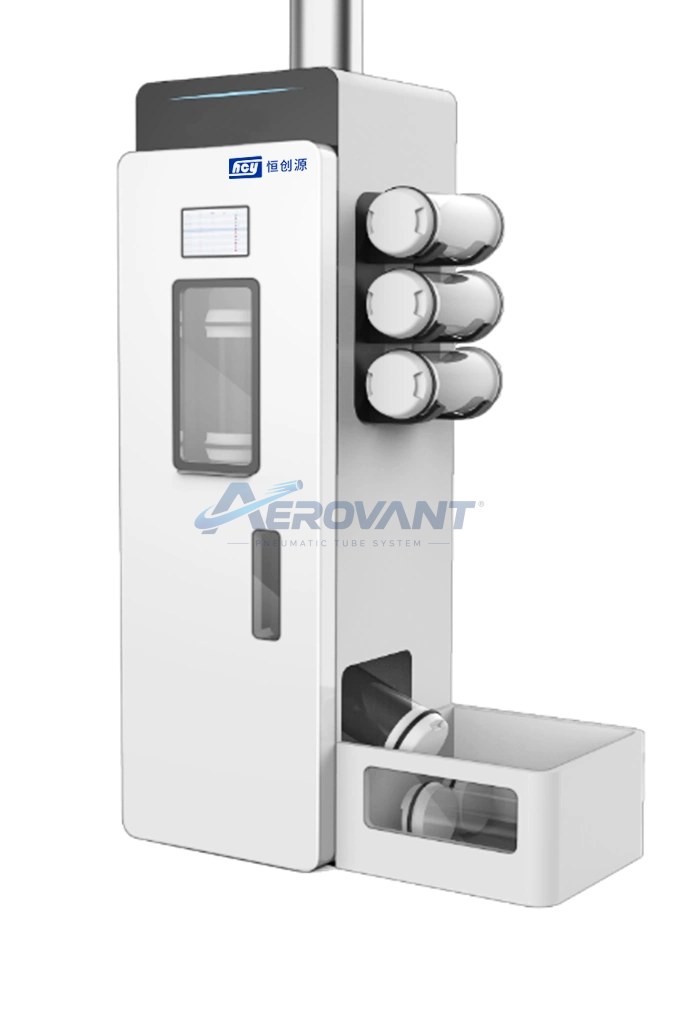
Inlets are the user interface for placing materials into the network. The catalogue shows indoor portals and outdoor inlet units.
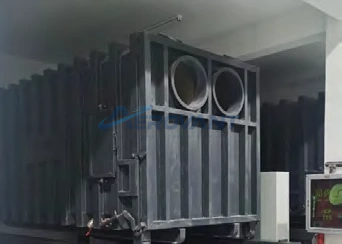
Receiving and collection components are installed at the endpoint to hold materials before the next handling process.
Fans, drive equipment, and control panels manage suction, network operation, and system functions.
Specifications & configuration
The following technical parameters provide an initial guide. Final configuration depends on facility requirements and site conditions.
| Parameter | Details |
|---|---|
| Transport method | Combined vertical gravity transport and horizontal pneumatic suction |
| Emptying | Computer controlled; the catalogue describes a cycle of approximately 30 seconds for one material type |
| Speed — operating principle section | Up to 70 km/h according to the catalogue |
| Speed — benefits section | The catalogue also states 25 m/s; these two figures are not equivalent |
| Collection destinations | Waste containers or linen handling areas according to the assigned route |
| Exhaust air | Dust removal, filtration, and deodorisation before discharge |
Permitted waste and linen types, route separation, packaging, and handling procedures must be defined during facility planning. The catalogue does not establish suitability for every category of medical waste. The source's two speed descriptions require technical confirmation.
Applications
Application areas can be selected to suit the facility's internal transport requirements.
Product photographs and diagrams are based on the manufacturer's technical materials.
The Aerovant Ecosystem
Let's get connected
Start by identifying your facility's internal transport requirements.