
 ID
Continuous delivery
Positive-pressure suspension supports large sample volumes. The catalogue also lists rates of up to 600 metres per minute and 900–1,500 specimens per hour.
From sample collection to the laboratory.
This system transports specimen tubes through dedicated enclosed pipes using positive-pressure air suspension. Blood collection points can connect directly to the laboratory to support a continuous delivery workflow.
Solution overview
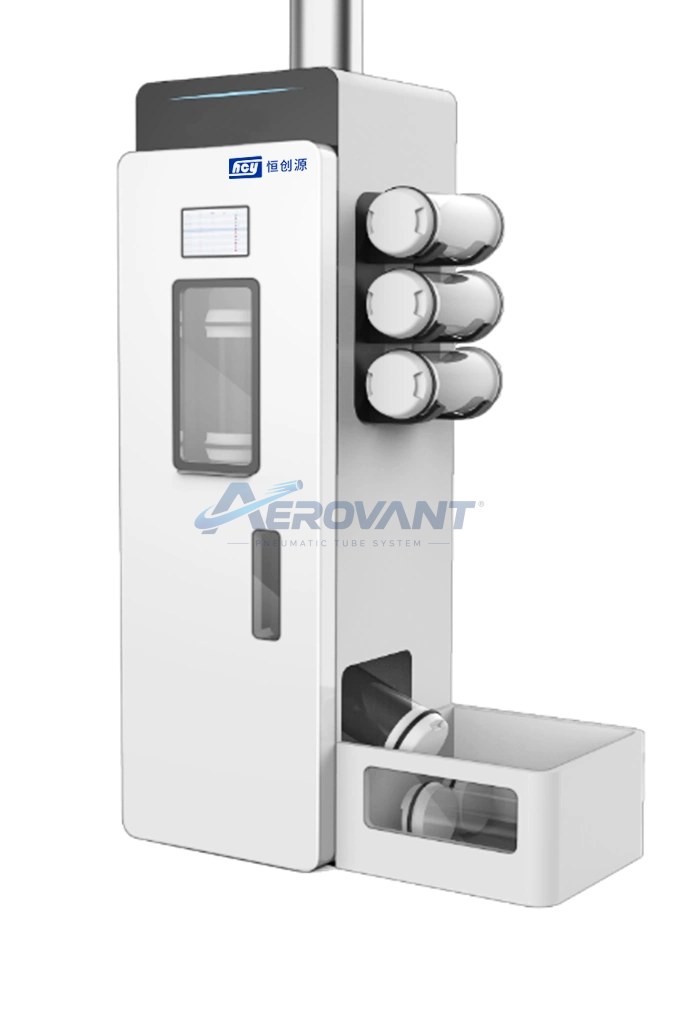
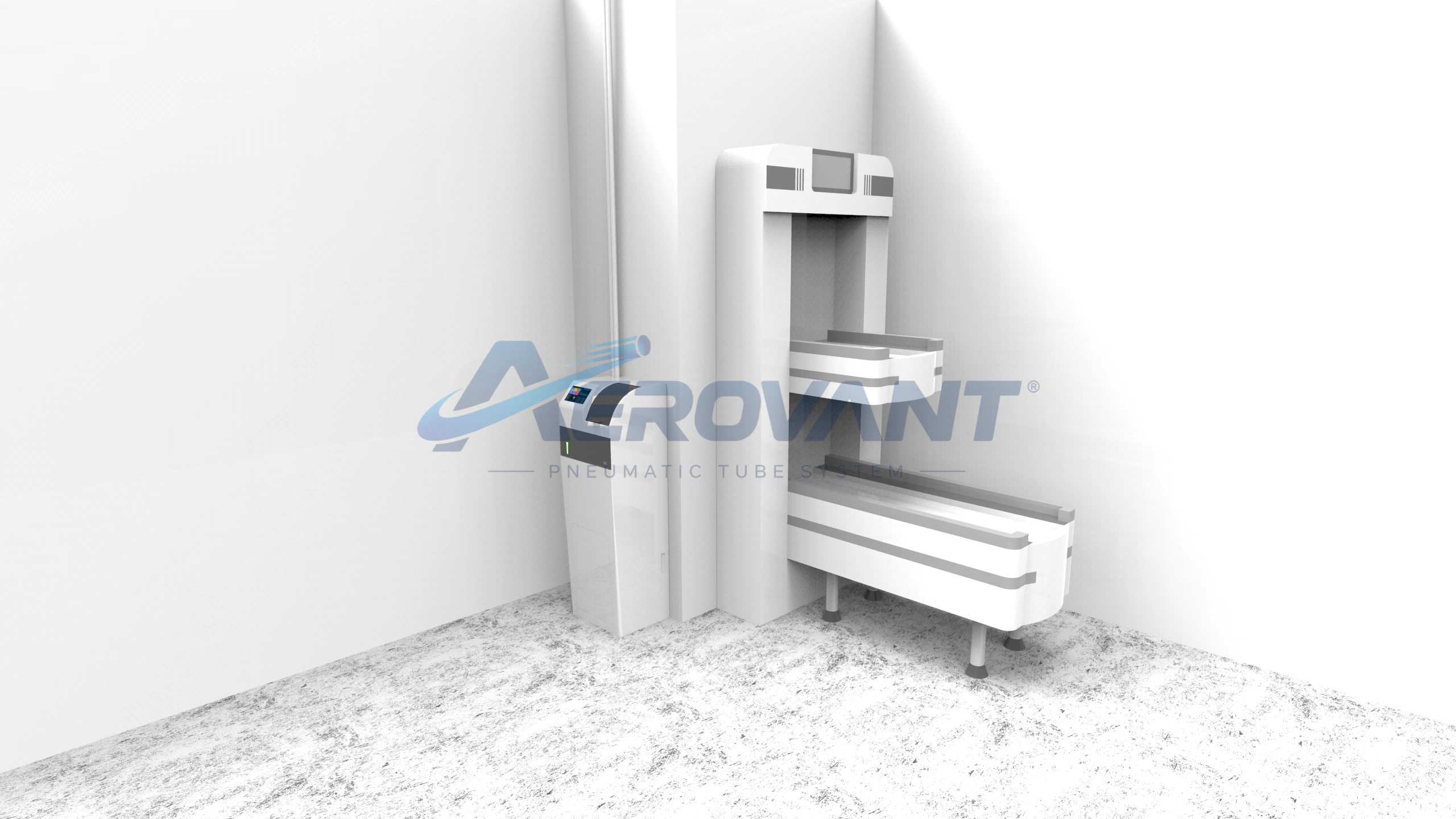
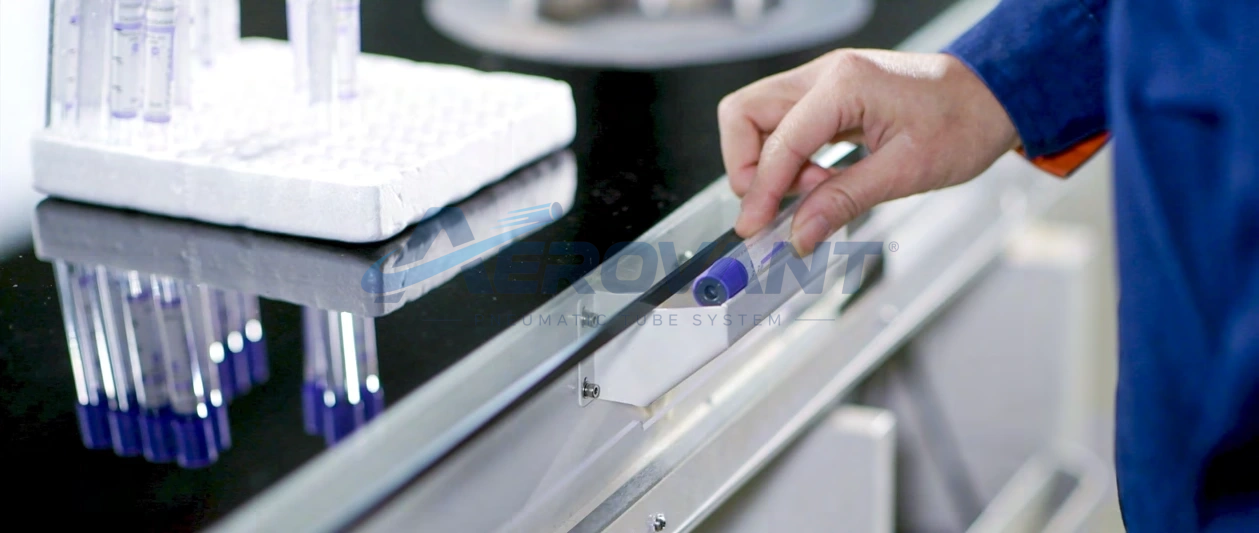
The sending station can integrate with a blood collection desk. Tubes are loaded manually or in batches, then travel through pipes to the receiving station. At the laboratory, receiving equipment can connect to sorters, automated lines, and supporting devices.
The catalogue highlights automatic verification, precise control, and dedicated route reliability. The system is designed to support deliveries from outpatient areas, emergency departments, inpatient wards, ICU and other critical care units, operating rooms, anaesthesia areas, and nucleic acid sample collection points.
Features & benefits
Positive-pressure suspension supports large sample volumes. The catalogue also lists rates of up to 600 metres per minute and 900–1,500 specimens per hour.
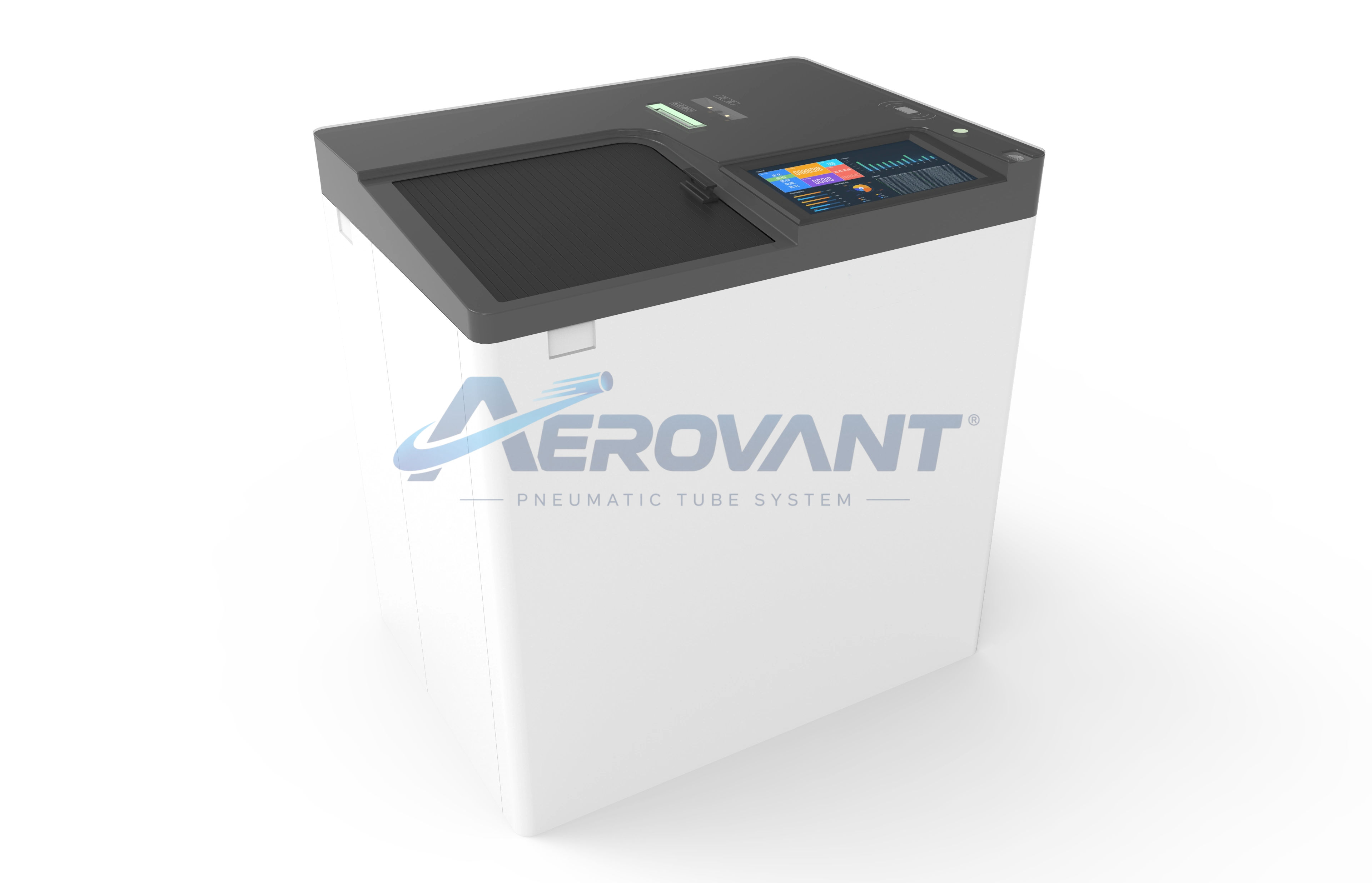
Receiving stations can connect to sorters and automated lines. Suspended installation, placement within the ceiling, or positioning above a sorter is described as saving floor space.
The system collects data at each stage, creates logs, monitors pressure and specimen status, and classifies alarms to help locate faults.
Drive air is filtered and dehumidified. The system description includes a UPS to support deliveries during power failures. Faults can be addressed through remote control.
Coated polyethylene pipes resistant to wear and corrosion are described as suitable for new buildings or renovations. The catalogue mentions basic training and periodic cleaning and disinfection.
How it works
Load compatible tubes at the sample collection station, manually or in batches.
The control system checks and manages delivery to the laboratory.
Tubes travel through dedicated routes using air suspension. Pressure and delivery status are monitored.
The receiving station passes samples to laboratory processing or a sorter according to its integration.
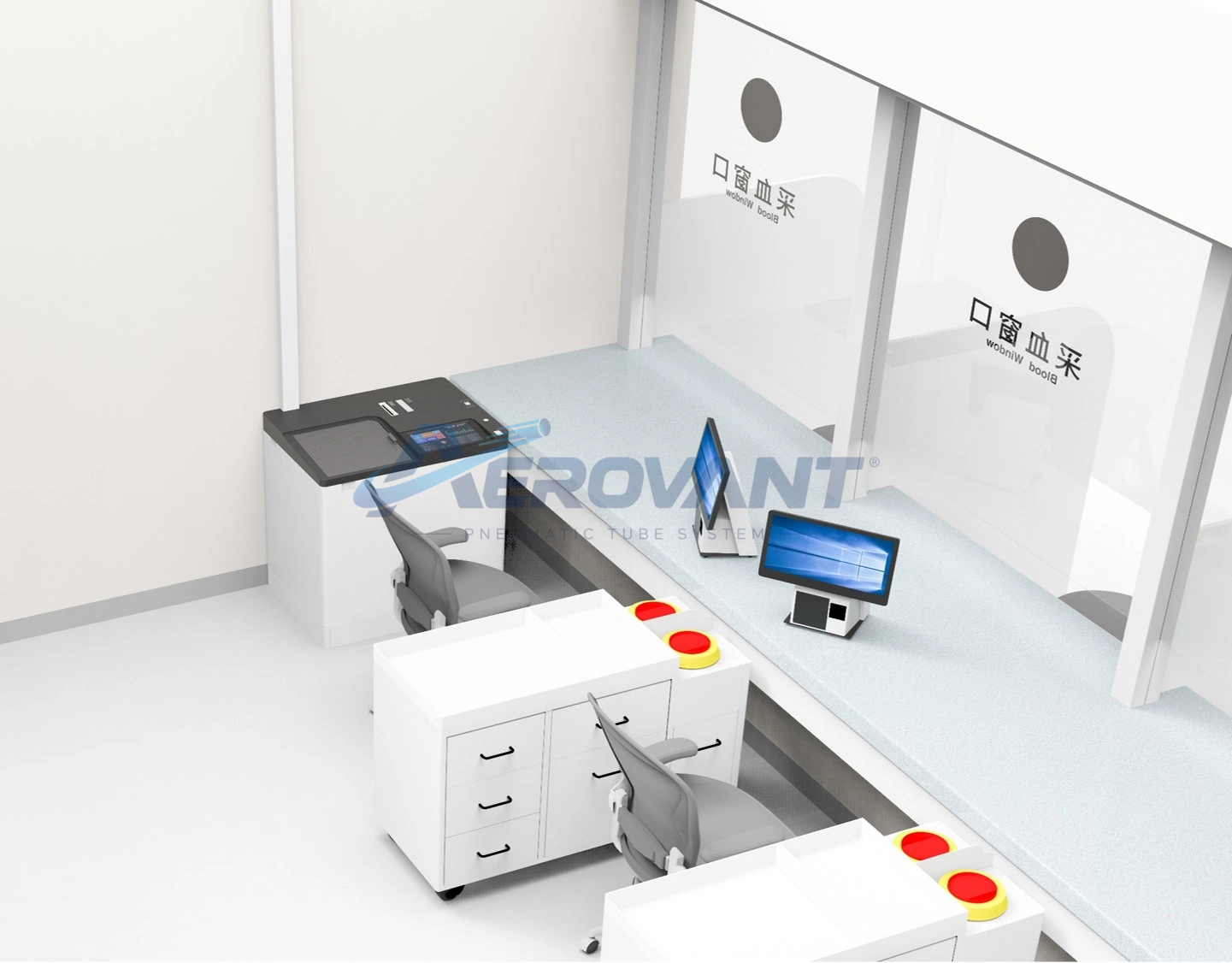 Enlarge ↗
Example of the link between receiving equipment and the laboratory sample handling workflow.
System components
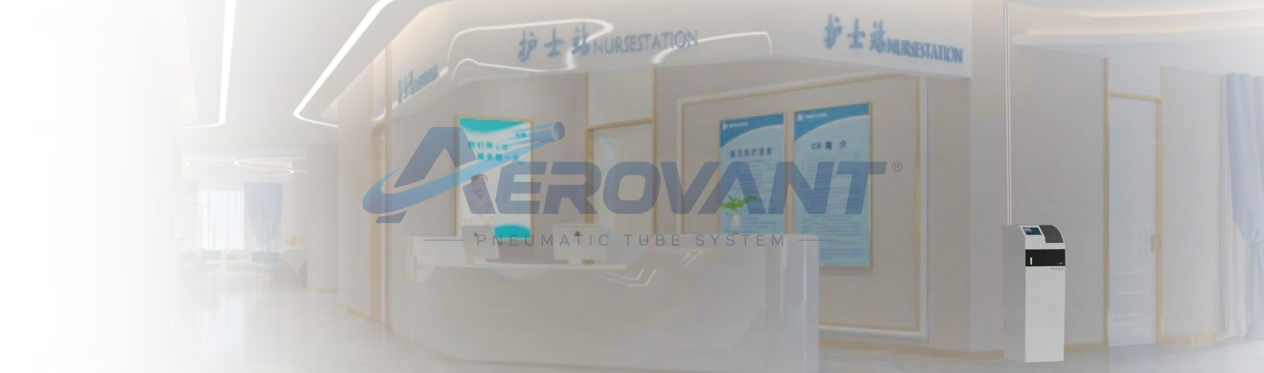
Can connect directly to a blood collection desk, supports manual and batch loading, and accepts compatible nucleic acid test tubes.
A compact unit with flexible placement options in the laboratory. Can connect directly to sorting machines and other equipment.
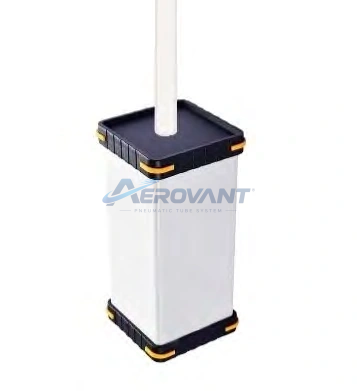 Enlarge ↗
Receiving terminal for laboratory workflow integration.
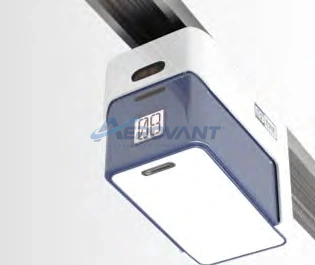
Polyethylene pipes with a diameter of 25 mm and a protective outer coating. The catalogue mentions approximately 30 mm wall openings for installation.
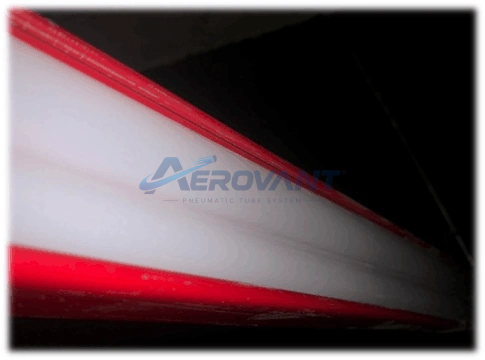 Enlarge ↗
Visual detail of the dedicated pipe used to transport tubes.
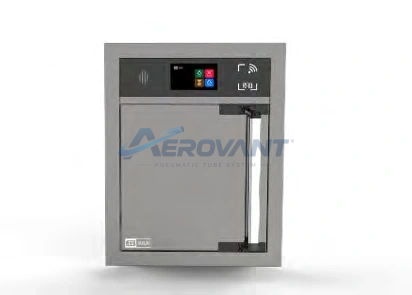
Displays pressure, specimen status, process logs, and fault alarms, supporting traceability throughout delivery.
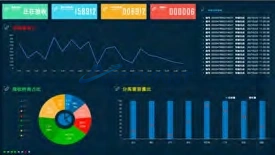 Enlarge ↗
Display of specimen transport status and operating information.
Specifications & configuration
The following technical parameters provide an initial guide. Final configuration depends on facility requirements and site conditions.
| Parameter | Details |
|---|---|
| Technology | Positive-pressure air suspension |
| Catalogue speed | 7–10 m/s; also stated as up to 600 m/min |
| Transport throughput | 900–1,500 specimens/hour, according to the catalogue |
| Pipes | Polyethylene, 25 mm outer diameter; approximately 30 mm installation openings |
| Tubes — station description | 12–18 mm diameter; 80–110 mm length including caps |
| Tubes — network description | Stated diameter 12–21 mm; length 80–126 mm including caps |
| Catalogue installation period | 2–4 weeks; actual execution depends on site conditions |
| Backup power | UPS in the system description |
| Catalogue maintenance guidance | Cleaning/disinfection after 100,000 tubes or six months |
The catalogue provides different tube size ranges in its network and station descriptions. Tube compatibility, throughput, installation time, and maintenance procedures require confirmation for the selected configuration.
Applications
Application areas can be selected to suit the facility's internal transport requirements.
Product photographs and diagrams are based on the manufacturer's technical materials.
The Aerovant Ecosystem
Let's get connected
Start by identifying your facility's internal transport requirements.